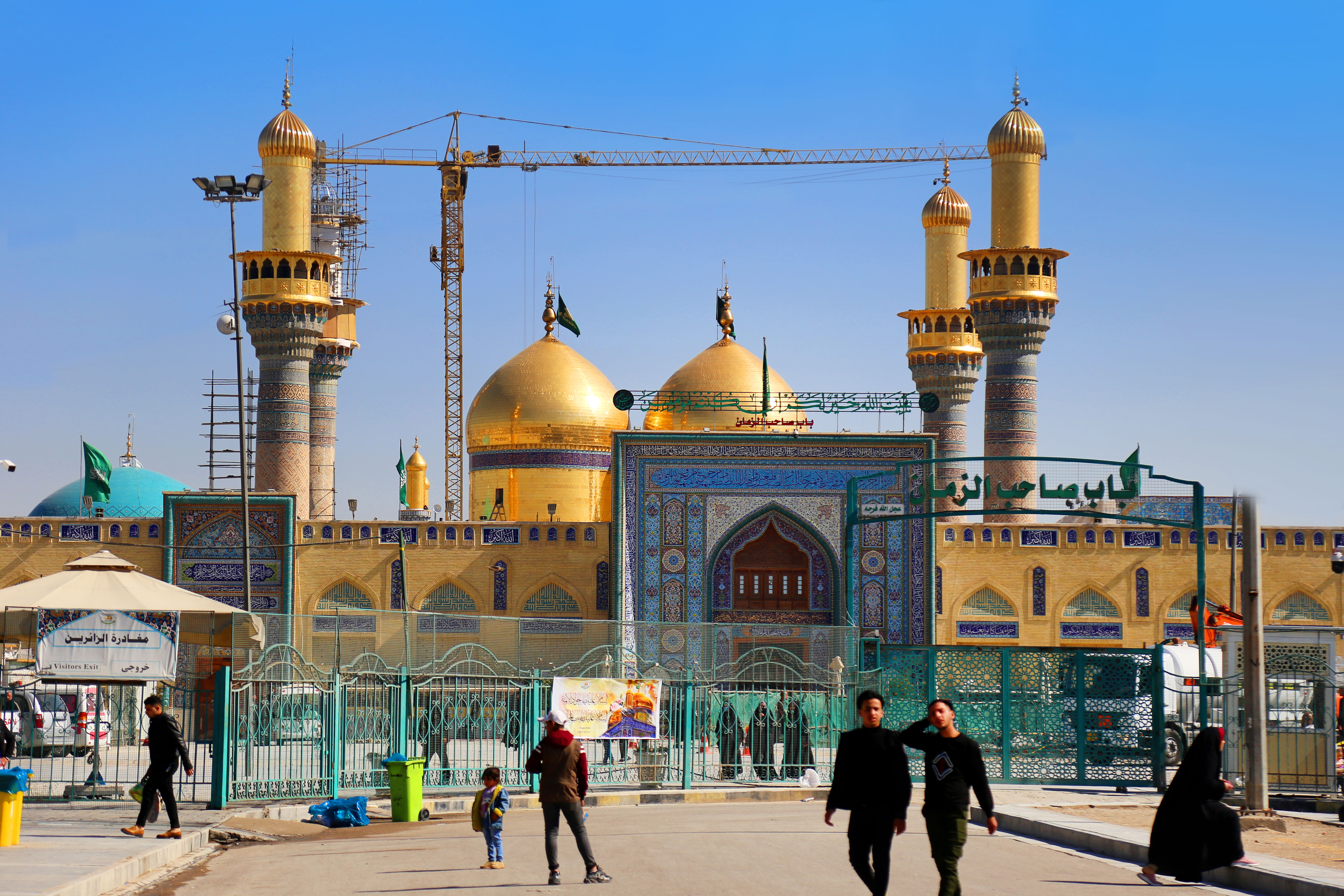
Baghdad, the capital of the Republic of Iraq, stands on both banks of the Tigris River in the heart of the Mesopotamian plain. With around eight million residents in the metropolitan area, it is one of the largest urban centers in the Middle East and among the most historically significant cities on earth. Its very name evokes images of caliphs and scholars, of river trade and manuscript culture, of market streets that have witnessed commerce for over a thousand years.
The city was founded in 762 AD by the Abbasid Caliph Abu Ja'far al-Mansur, who envisioned it as the perfect capital — a Round City at the crossroads of trade routes linking the Mediterranean world with Persia, India, and Central Asia. Within a century of its founding, Baghdad had grown into the most important intellectual center in the world, home to the House of Wisdom, where scholars translated and advanced the knowledge of Greek, Persian, and Indian civilizations.
Today, Baghdad is a layered metropolis: ancient shrines sit alongside modernist monuments, book-lined streets lead to bustling markets, and evening tea is still served along the riverfront where poets once gathered. It is a city shaped by centuries of glory, loss, resilience, and renewal — and it remains, unmistakably, the beating heart of Iraq.